RESONANCE
ONE POEM BY IVAN MALINOWSKI
+ ONE LETTER BY GHASSAN KANAFANI
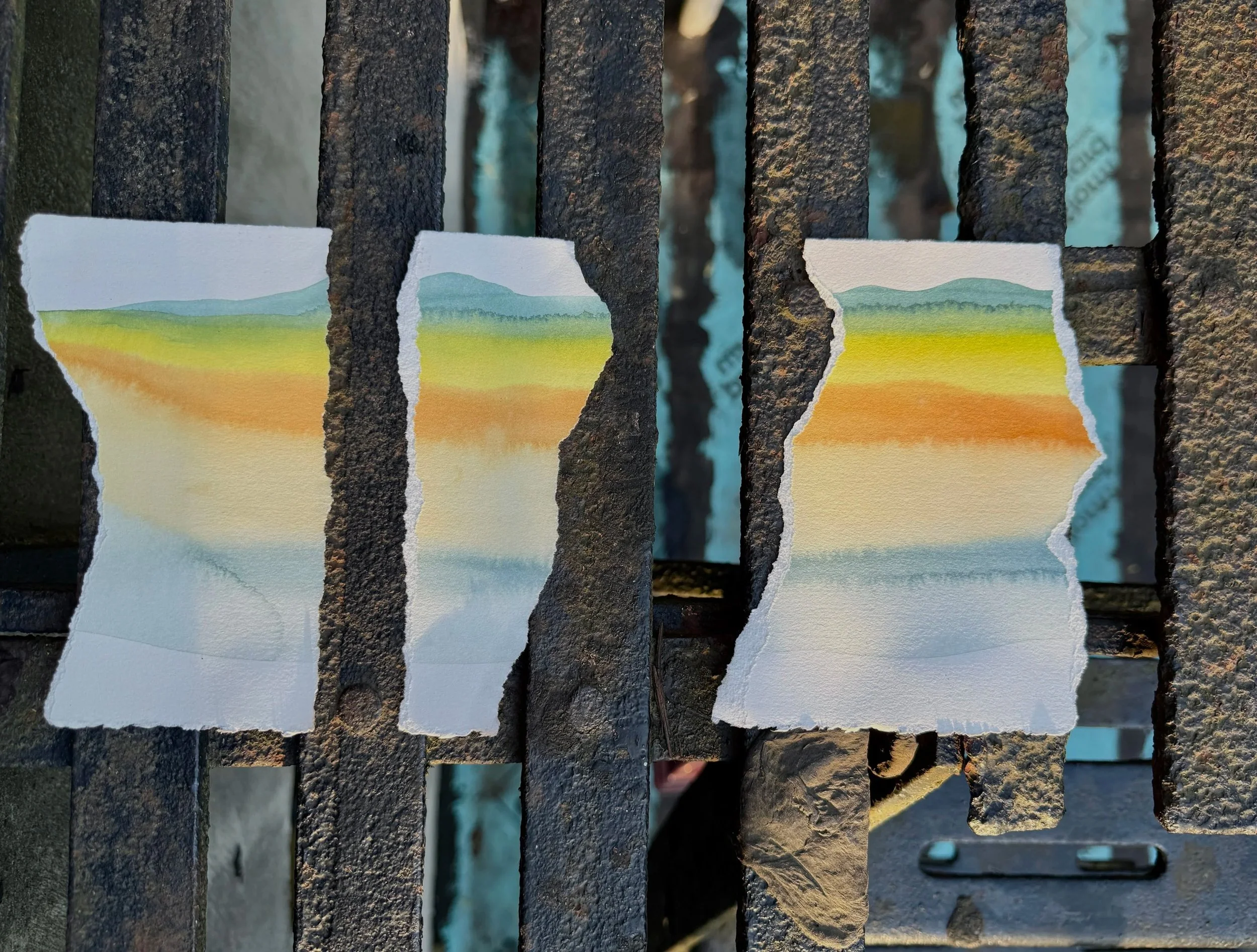
Art by Kelley-Marie Van Dilla
Translator’s Note
In 1964, Palestinian writer and militant Ghassan Kanafani arrived in Denmark to visit the family of his wife, Danish pedagogue Anni Høver. The Høvers were a political family; Anni had learned about the Palestinian struggles through a Yugoslavian conference on radical pedagogy before traveling to visit the Lebanese camps in 1960. Her brothers, both members of the Danish Communist Party, had fought against the Nazi occupation during WWII. The Høvers brought Kanafani into contact with the Danish internationalist Left, an eclectic group of poets, communists, and former resistance fighters. At one such meeting, Kanafani met the Danish poet Ivan Malinowski, a central figure in Danish Modernist poetry, and a former resistance fighter himself. According to interviews with Anni, Kanafani introduced Malinowski to the poetry of Mahmoud Darwish, whom Kanafani later popularized across the Arab world in his 1966 study, “Resistance Literature in Occupied Palestine.” Through Kanafani, Malinowski would go on to share Darwish’s poetry in Danish literary circles, establishing Darwish as the first Palestinian poet to be read widely in Denmark.
Beyond these sparse details, we know little of what came from this meeting. What, or who else, did they discuss? Were there ever plans for a Danish-Palestinian literary or political collaboration? Our translation is born from this absence, an attempt to create a textual artifact out of a historical gap, to reconvene the novelist and the poet through texts which reveal a lesser-known facet of their highly politicized personas: their relationship to love. As Syrian writer Ghada al-Samman wrote, “a good fighter is, necessarily, a good lover.”
In 1992, to much uproar, Ghada published a collection of love-letters she had received between 1966 and 1969 from Kanafani, who was at the time married to Anni with two children. In her introduction to the collection, she explains that she regards these letters “not as a scandalous exposé, as the sword-carriers had wanted,” but as a contribution to the neglected art of letter-writing in Arabic literature, and as a corrective to “the tendency to portray the fida’i as a ‘superman’ figure.” These letters, she tells us, offer a glimpse into the character of Kanafani “from the inside, before he entered the prison of legend and was transformed from a man into a prop in the backstage of political theater.”
In conversation about her 2021 biography of Malinowski, Briste og bære, poet Nina Malinovski remembers her father expressing hesitation—perhaps protectiveness, perhaps jealousy—when she began her own writing. In Briste og bære, she asks, “Was the legacy of Ivan…a very strong sense of justice… sometimes bordering on self-righteousness? A strong will to think for oneself, to see things with one’s own eyes?” Love Poem I-II, written by Ivan for his wife Ruth, a prominent textile artist and Danish Jew, tunes our ear to the love energizing this willfulness. The reverberating horror of the Holocaust echoes alongside Ivan’s tenderness, an affection suspended between trajectories of history and the concrete things of worldly meaning.
Combining Malinowski's Love Poem I-II, recently collected by Jonas Eika in the edited volume Is Death Not Political? and a letter addressed to Ghada from Kanafani in Gaza en route to a conference in Cairo, dated 29th of November, 1966, we find resonances between the inner lives of two revolutionary artists. What rings forth is a reminder: the lives of storied men are often remembered through the labors of the women they loved. Just as Ghada al-Samman gifted us these letters, and Anni Kanafani published a biography of her husband a year after his death, Nina Malinovski wrote her recollection of Ivan’s life and fatherhood from the archive of journals, letters, photos, and notebooks he left behind. The two writers’ un-textualized meeting of 1966 offers us, their translators, a chance to listen to the ways of living and loving which brought them together. Through this we may resume their conversation
—Khaled Rajeh and Rasmus Schlutter
ONE POEM
+ ONE LETTER
Translated by Khaled Rajeh and Rasmus Schlutter
Ghada,
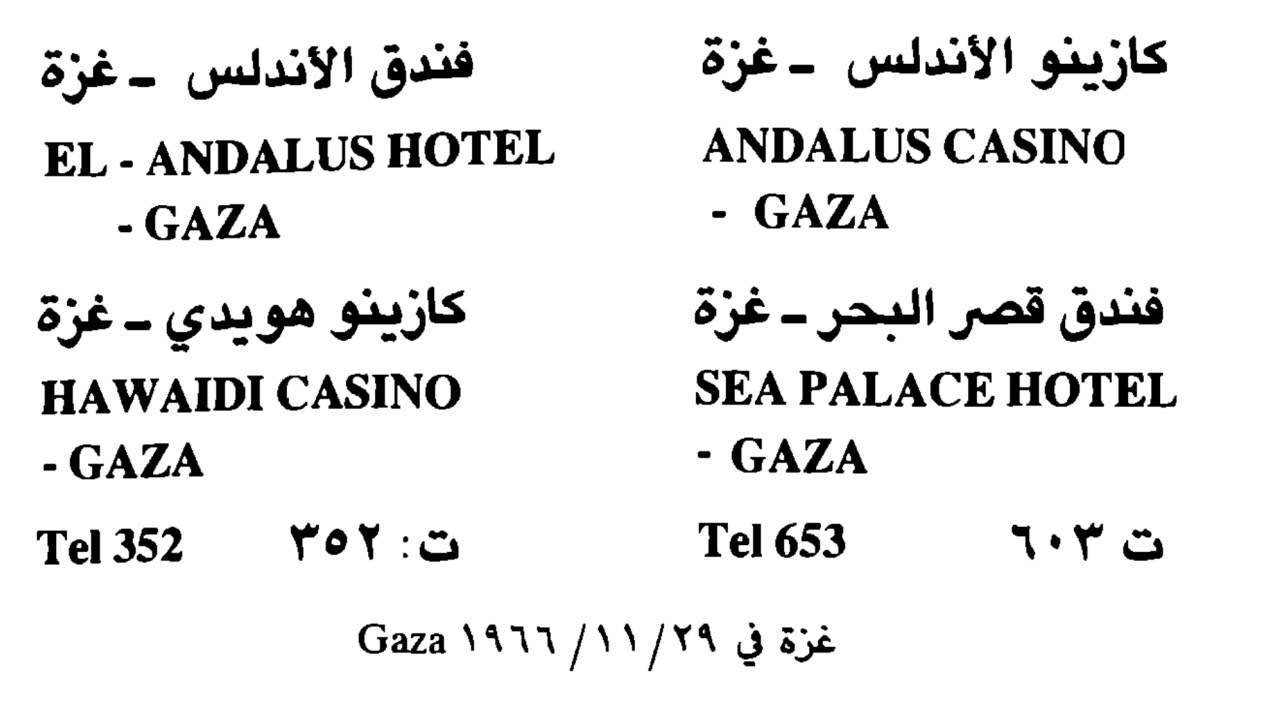
All these addresses above, in spite of their size, are nothing but four tables on a sad shore, and you and I are inside this cold bottle of boredom and aloneness. It’s morning. I couldn’t sleep last night. Headache crawled up my pillow like a defeated army of ants. At the breakfast table, I wondered, is everyone here really this dull, or is it only your absence that makes them seem so? Then all of us, big names and small, came to this beach, and I left my seat to find a spot where I could write to you. From here, I can see my empty chair, more present among them than I ever was.
I am known here, can even say “loved,” more than I expected. Much, much more. I find this rather embarrassing, as I know I won’t have the time to please everyone, or to live up to their expectations of me. Day and night I am greeting people. Shopkeepers hand me almost anything I want for free. Everywhere I go I am met with a warmth that reminds me of the cold in my head and in my extremities, and of the shortness of my trip, to those people and to myself. I feel now, more than any other time, that whatever value my words had, it was as a petty, shameless compensation for the absence of weapons, and it pales now with the rise of real men who die every day in the name of something I respect. All this fills me with a sense of alienation akin to death, with the joy of a man on his deathbed after a lifetime of faith and suffering, but also with a terrible kind of humiliation.
But I am certain of one thing at least, and that is your worth to me. I haven’t yet lost my mind over you, so I can still tell how much smarter you are, how much more noble and beautiful. You were in my body this whole time, in my lips and eyes and head, my longing and my pain—that wonderful thing that a person keeps in mind in order to go on living. I have a power, like nothing I’ve known before, of imagining and seeing you. When I see a sight or hear a word and say something under my breath, I hear your response in my ear, as though you were standing right next to me, your hand in mine. Sometimes I hear you laugh, and sometimes I hear you disagreeing with my thoughts, speaking before I do, and I look at the eyes of those around me to see if they caught a glimpse of you. With you, I face everything, with you, I hold the sharp blade of truth to their necks. I love you, you little devil, as I have never known love in my life, and I cannot ever recall a happiness like the one that washed me clean of thirty years of rust and dust that last night in Beirut.
I beg you, let me stay with you, let me see you. You mean much more to me than I mean to you, and I know that, but what can I do? I know that the world is against us both, but I know that it is against us equally, so why not face it together? Quit torturing me. Neither of us deserves to be crushed like this. I have been humiliated enough by running away in the past, and I refuse to run away again. I will remain, even if Atlas himself throws the universe on my shoulders, behind you and with you. Nothing in this world can make me lose you. I have lost before you, and I will lose after you, everything.
“I’m unable to hate you, and so I ask for your love.” I give you the world if you only give me your approval. You little devil, I know that I love you, and that if I lose you, I lose what is most precious to me, and forever.
I write to you knowing that I might arrive before my letter. I leave Cairo on the 5th of December. And be sure: nothing excites me but you.
Ghassan Kanafani
Love poem I-II
“att ständigt vara de sista på jorden ständigt de första”
“To eternally be the last on the earth(,) eternally the first”
I
Not only the world
my love
not only the light I drink with others
the railings, the steps we wear
not only the air they breathe
and their meaningless histories
in which I too have my roots
not only these walls
the horrors that come nearer
because they are far away
not only the world
my love
but also you
you who are different
from all that’s occurred and will occur
distant at my side
you the sick man’s longing
the tree beyond the window
if I forget you
it is because I remember you too well
may I never remember you
as I remember the world
II
Not only you
my love
but also the world
not only the clock's scream from the corner
and the terrible picture
of a white face under your skin
also the white faces behind your shoulder
also the haunted shadows in your eyes
and grievances you yourself know nothing of
clouds you haven't seen
days we didn't share
always something else
never we ourselves
the hands are ashamed
as if a stranger stood in the room
suddenly someone weeps in Aramaic
suddenly the sky is a wide-mouthed roar
I know it: somewhere
stands this house already tallied
as two numbers on a casualty list
and with good reason distracted
I come to you
Ivan Malinowski
ONE POEM
+ ONE LETTER
By Ghassan Kanafani and Ivan Malinowski
غادة
كل هذه العناوين المسجلة فوق، على ضخامتها، ليست إال أربع طاوالت على شاطىء البحر الحزين، وأنا وأنت في هذه
القارورة الباردة من العزلة والضجر. إنه الصباح، وليلة أمس لم أنم فقد كان الصداع يتسلق الوسادة كجيوش مهزومة من النمل،
إلى هنا
وعلى مائدة الفطور تساءلت: هل صحيح أنهم كلهم تافهون أم أن غيابك فقط هو الذي يجعلهم يبدون هكذا؟ ثم جئنا جميعاً
أسماء كبيرة وصغيرة، ولكنني تركت مقعدي بينهم وجئت أكتب في ناحية، ومن مكاني أستطيع أن أرى مقعدي الفارغ في مكانه
المناسب،
. موجودا بينهم أكثر مما كنت أنا ً
إنني معروف هنا، وأكاد أقول »محبوب«، أكثر مما كنت أتوقع أكثر بكثير. وهذا شيء، في العادة، يذلني، ألنني أعرف بأنه لن
يتاح لي الوقت ألكون عند حسن ظن الناس، وأنني في كل الحاالت سأعجز في أن أكون مثلما يتوقعون مني طوال النهار والليل
استقبل الناس، وفي الدكاكين يكاد الباعة يعطونني ما اريد
مجانا وفي كل مكان أذهب إليه استقبل بحرارة تزيد شعوري ببرودة ً
الطراقي وراسي وقصر رحلتي إلى هؤالء الناس وإلى نفسي إنني أشعر أكثر من أي وقت مضى أن كل قيمة كلماتي كانت في
أنها تعويض صفيق وتافه لغياب السالح وأنها تنحدر اآلن أمام شروق الرجال الحقيقيين الذين يموتون كل يوم في سبيل شيء
احترمه، وذلك كله يشعرني بغربة تشبه الموت وبسعادة المحتضر بعد طول إيمان وعذاب، ولكن
. أيضا بذل من طراز صاعق ً
ولكنني متأكد من شيء واحد على األقل، هو قيمتك عندي.. أنا لم أفقد صوابي بك بعد، ولذلك فأنا الذي أعرف كم أنت اذكى
وانيل وأجمل لقد كنت في بدني طوال الوقت في شفتي في عيني وفي رأسي. كنت عذابي وشوقي والشيء الرائع الذي يتذكره
اإلنسان كي يعيش
ويعود .. إن لي قدرة لم أعرف مثلها في حياتي على تصورك ورؤيتك .. وحين ارى منظراً أو اسمع كلمة وأعلق عليها بيني
أسمعك ترفضين
اسمعك تضحكين. وأحياناً
وبين نفسي اسمع جوابك في أذني، كأنك واقفة إلى جواري ويدك في يدي أحياناً
تسبقينني إلى التعليق، وأنظر إلى عيون الواقفين أمامي ألرى إن كانوا قد لمحوك معي اتعاون معك على مواجهة
رابي واحياناً
كل شيء واضع معك تصل الصدق الجارح على رقابهم. إنني أحبك أيتها الشقية كما لم أعرف الحب في حياتي، ولست أذكر في
.حياتي سعادة توازي تلك التي غسلتني من غبار وصدا ثالثين سنة ليلة تركت بيروت إلى هنا
أرجوك .. دعيني معك دعيني أراك. إنك تعنين بالنسبة لي أكثر بكثير مما أعني لك وأنا أعرف ولكن ما العمل؟ إنني أعرف أن
العالم ضدنا
في وجهه؟ كفي عن تعذيبي فال أنا وال أنت ً
معا ولكنني أعرف أنه ضدنا بصورة متساوية، فلماذا ال نقف معاً
تستحق أن نسحق على هذه الصورة. أما أنا فقد أذلني الهروب بما فيه الكفاية ولست أريد وال أقبل الهروب بعد سأظل، ولو
.وضع أطلس الكون على كتفي وراءك ومعك
.ولن يستطيع شيء في العالم أن يجعلني أفقدك فقد فقدت قبلك، وسأفقد بعدك كل شيء
إنني ال استطيع أن أكرهك ولذلك فأنا أطلب حبك“ . أعطيك العالم إن أعطيتني منه قبولك بي.. فأنا أيتها الشقية، أعرف أنني
...أحبك واعرف انني إذا فقدتك فقدت أثمن ما لدي، وإلى األبد
.سأكتب لك وأنا أعرف انني قد أصل قبل رسالتي القادمة فسأغادر القاهرة يوم 5 كانون وتأكدي: ال شيء يشوقني غيرك
غسان كنفاني
Kærlighedsdigt I-II
“att ständigt vara de sista på jorden ständigt de första”
I
Ikke blot verden
elskede
ikke blot lyset jeg drikker med andre
håndtagene trinene vi slider
ikke blot luften de ånder
og deres meningsløse historier
hvori også jeg har min rod
ikke blot disse mure
rædslerne som kommer nærmere
fordi de er fjerne
ikke blot verden
elskede
men også du
du som er forskellig
fra alt hvad der er sket og vil ske
fjern ved min side
du den syges længsel
træet bag ruden
glemmer jeg dig
er det fordi jeg husker dig for godt
måtte jeg aldrig huske dig
som jeg husker verden
ikke blot du
elskede
men også verden
II
Ikke blot urets skrig fra krogen
og det frygtelige billede
af et hvidt ansigt under din hud
også de hvide ansigter bag din skulder
også de forfulgte skygger i dine øjne
og klager du ikke selv ved om
skyer du ikke har set
dage vi ikke delte
altid noget andet
aldrig os selv
hænderne skammer sig
som stod der en tredje i stuen
pludselig græder nogen på aramæisk
pludselig er himlen et åbent brøl
jeg ved det: etsteds
står dette hus allerede opført
som to tal på en tabsliste
og med god grund adspredt
kommer jeg til dig
-
Ghassan Kanafani (1936-1972) was a Palestinian novelist, short story writer, journalist, and leading intellectual of the modern Arab world. Born in Akka, he was permanently expelled from Palestine after the Nakba of 1948 and moved between Damascus and Kuwait before finally settling in Beirut, where he would serve as the spokesperson of the Popular Front for the Liberation of Palestine (PFLP) and editor of its journal, al-Hadaf. Kanafani was assassinated by the Israeli Mossad at the age of 36.
Ivan Malinowski (1926-1989) was a leading Danish Modernist poet. Writing consistently until his death, Malinowski developed a style of focused, experimental, and formally conscious work across his lyrical and prose literature. Much of his work responded to the capitalist crises of his time, a continuation of a socialist and internationalist politics forged during his involvement with Danish resistance to Nazi occupation and support of Jews fleeing post-war violence in Poland.
-
Rasmus Schlutter is a graphic artist, library worker, and soccer player from Iowa City, Iowa. They have designed graphics for organizations such as Brooklyn Eviction Defense and East Harlem El Barrio Community Land Trust. Their writing has appeared in Paprika! Magazine, The Politic, and the Yale Herald. Rasmus is a member of Iowa City Action for Palestine and a graduate student in Library Sciences at the University of Iowa. This is their first translation.
Khaled Rajeh is a writer and translator from Baakleen, Lebanon. His essays and translations have appeared in ArabLit, 91st Meridian, Vagabond City, and the Michigan Quarterly Review. He holds an MFA in Literary Translation from the University of Iowa, where he is pursuing a PhD with a focus on the work of Ghassan Kanafani. He enjoys playing soccer with Rasmus.